Lamb
of God
The focus of the life and work of Jesus Christ is found in His
death and resurrection. It is the fulfillment of the great message of the coming redeemer
in the Old Testament.
The lamb was the principal animal of sacrifice among the
Jewish people at the evening and morning sacrifice (Ex. 29:38-42; Num. 38:3-8), and
specials days (Num. 28:11), the Passover (28:16-19), Pentecost (28:26f), Feast of the
Trumpets (29:1, 2), the Day of Atonement (29:7, 8), and the Tabernacle (29:12-16). Other
personal sacrifices included lambs (Lev. 12:6; 14:10-18, etc), such as the sin offerings
(Lev. 4:32-35). Moreover, the Pascal sacrifice is basic to the whole sacrificial system
(Ex. 12:13). Thus the figures in Isaiah 53:7 and Exodus 12:13 come together in the
designation of the Lamb of God. They compliment each other.
The innocence and gentleness of the sacrificial lamb is featured in
descriptions in the Old Testament. As a symbol, the sacrificial lamb prefigured the
character and suffering of the Lamb of God (Acts 8:32; Isa. 53:7). Jesus is introduced in
the Gospel of John as the Lamb of God that takes away the sin of the world
(Jn. 1:29, 36; Acts 8:32; 1 Pet. 1:19; Isa. 53:7).
In 1 Corinthians 5:7 Jesus is identified as the Passover lamb. He is
also seen as the suffering lamb of God in Isaiah 53, and the fulfillment of all the lambs
of sacrifice in the Jewish rituals.
When Jesus came, it was God who substituted His own provision, a
Lamb for the people. This substitution aspect is seen in Abrahams sacrifice of the
lamb caught in the briars (Gen. 22). The LORD God who demanded the sacrifice was the One
who provided the lamb in the place of Isaac. God in Jesus provided His own Lamb for the
sacrifice.
Jesus is the Lamb of God. John specifically relates
Christ to God in the act of sin-bearing. God is the provider of this special lamb. He is
at the same time the sacrificial victim presented to God and the victim provided by God
Himself. He removes the worlds sin by taking it upon Himself. Johns language
is very expressive, He lifts up and takes away all our sins. He bears upon
Himself alone the iniquity of us all. The Gospel of John seems to give a composite of the
Old Testament typology of the lamb and its fulfillment in Christ. The Passover is a
prominent motif in this gospel (2:13, 23; 6:4; 11:55; 12:1; 13:1; 18:28, 39; 19:14, 31,
42). The arrest, trial and crucifixion of Jesus are associated with the customary
sacrifice of the Passover Lamb. The sacrifice of the Lamb of God is at the theological
center of the good news in Jesus Christ (Heb. 7:27; 9:26-28; 10:1-18; 1 Pet. 1:18-19; Mk.
10:45).
Moreover, the sacrifice of Jesus was worldwide. His sacrifice
embraces all humanity in its scope. His death was to take away the sin of the world. That
sacrifice avails to all who put their personal trust in Christ as their Lamb (Acts 8:32; 1
Pet. 1:19). He becomes our substitute when we place our faith in Him.
Before their polemic against Christians, Jewish commentators
identified Isaiah 53 with the Messiah, the Suffering Servant of God who was an individual.
The identity of Jesus as the Messiah with the Lamb of God and the Servant was clearly in
the mind of John the Baptist (Jn. 1:29, 36). It was only after Christians saw the
fulfillment of Jesus Christ as the Suffering Servant of God and the Messiah that Jewish
rabbis began to look for other interpretations for Isaiah 53. Maimonides in the 12th
century A. D. was the most influential Jewish leader in this movement.
If Jesus Christ as the Lamb of God did not die for our sins, then we
are still under the condemnation of God, and are still the children of wrath (Eph. 2:1-3).
The silent dumb type of the Passover now finds a
tongue in the Lamb of God.
All of the progressive revelation of ideas surrounding the figure of
the Lamb in the Old Testament sacrifice finds their fulfillment and expression in
Johns Lamb of God (Gen. 4:4; Heb. 9:22; Ex. 12:13; Rev. 7:14; 1 Pet. 1:11,18-19; J.
1:29; Rev. 5:6, 12-13; 13:8).
At the heart of Gods sovereignty is the sacrificial Lamb. In
the book of Revelation the Lamb of God is the triumphant victorious Sovereign Lamb who
sits on the throne (Rev. 5:1-14). The apostle John saw Him as the one slain,
as if its throat had been slashed in the vicarious substitutionary sacrifice for sin. He
was slain in payment for our sin debt, but is alive forevermore. The risen Lamb is seen as
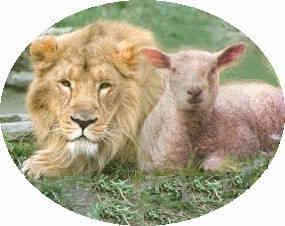
having the same attributes as those of the LORD God. He is the sovereign triumphant lion
of the tribe of Judah (Rev. 17:14). He is the triumphant redeemer (Rev. 5:6, 12; 6:16;
7:14; 12:11; 12:11; 17:14; 21:1, 3, 27).
We too shall gather with the heavenly throne saying with a loud
voice, Worthy is the Lamb that was slain to receive power and riches and wisdom and
might and honor and glory and blessing (Rev. 5:12).
Selah!
Message by Wil Pounds (c) 2006
Click for printer friendly page
SELAH INDEX
CLICK to E-mail SELAH! to a friend.
|